

When I first joined a group chat for a popular battle‑royale title, the voice channel filled up in under a minute. Six strangers from Manchester, Bristol and Newcastle were coordinating a drop, shouting “watch the east side” and laughing at a teammate’s accidental fall. The whole scene lasted about ten minutes, but the camaraderie lingered long after the match ended. In the UK, mobile games have become the new coffee shop tables, offering instant, low‑commitment gatherings that fit into a commuter’s break.
What makes this shift possible is the sheer volume of devices. Of the 53 million smartphones active in the country, roughly 38 million run iOS or Android versions released within the last two years. Those handsets support high‑frame‑rate graphics, low‑latency Bluetooth headsets and push notifications that keep players in the loop even when the screen is off. The result is a network of micro‑communities that can form, dissolve and reform in the time it takes to order a latte.
Cross‑Platform Play Bridges Generations
My niece, aged nine, can now sit beside her grandfather on the couch and both play the same puzzle‑adventure that syncs progress between a cheap Android tablet and a flagship iPhone. The game records each move on a cloud server, so when the grandfather picks up his device later, he sees the same board state. This kind of cross‑platform continuity is no longer a novelty; it’s a baseline for most new releases.
Statistics from a recent UK mobile market report show that 27 % of players aged 55‑64 now engage with at least one cross‑compatible title each week. For many, the appeal lies in the shared language of emojis, quick taps and in‑game chat stickers, which translate across age groups without the need for a shared console or PC setup. The barrier to entry is lower than ever: a free download, a 5‑minute tutorial, and you’re ready to compete or cooperate with anyone on the same network.
Location‑Based Features Turn Streets into Playgrounds
Walking through Leicester’s city centre, I was nudged by a notification from a location‑aware RPG that a rare monster had spawned near the old market hall. I turned a corner, tapped “engage,” and within seconds a small team of nearby players—two university students and a retiree—had joined the fight. The encounter lasted 3 minutes, but the post‑battle chat lingered, with strangers swapping tips about the best coffee spots nearby.
Such features rely on GPS accuracy of about 5 meters, which modern phones reliably provide in urban environments. Developers can therefore design events that only trigger when a player is within a specific radius, encouraging real‑world movement and spontaneous meet‑ups. The downside? Rural areas with spotty signal see fewer of these events, which can make the experience feel city‑centric.
Monetisation Models Shape Social Dynamics
Free‑to‑play titles dominate the UK charts, accounting for 84 % of downloads last quarter. The model works because micro‑transactions—often under £1—let players customise avatars, buy cosmetic skins or speed up progress. While some argue that this “pay‑to‑win” approach fragments communities, my experience suggests the opposite: most social bonds form around shared experiences, not shared spending.
However, there is a concrete limitation. Players who consistently avoid spending may find themselves excluded from certain guilds that require a minimum weekly contribution to maintain status. This creates a subtle tier within the community, where financial willingness can affect social standing.
From Mobile Sessions to Broader Online Entertainment
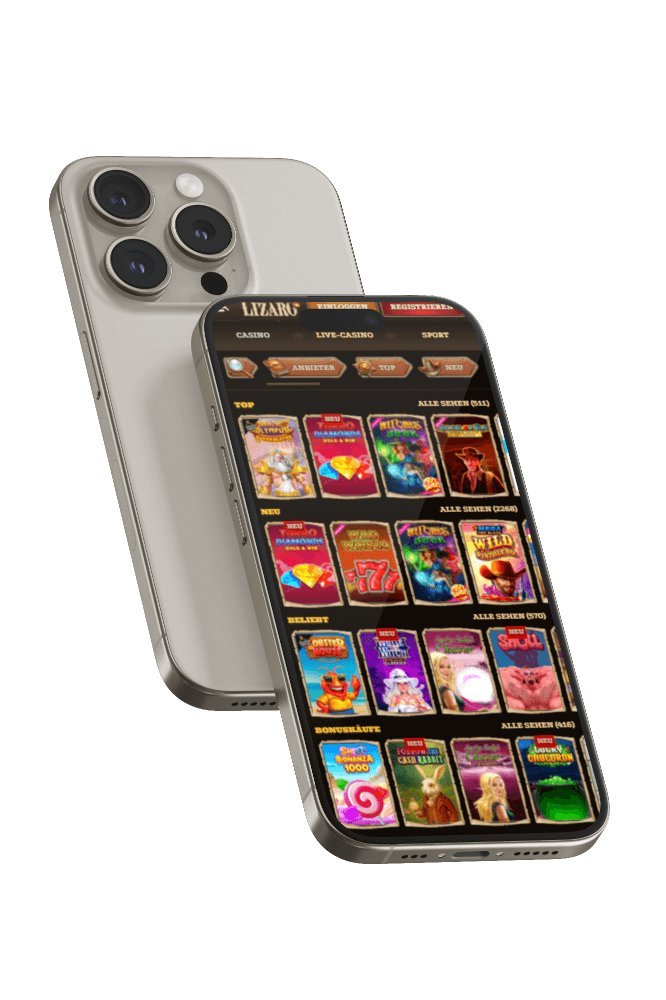
Even though my focus is on mobile gaming, the habits it cultivates spill over into other digital pastimes. The quick‑fire coordination skills honed on a commuter train translate well to larger online platforms, and the sense of belonging often leads players to explore related forums and streaming services. If you’re curious about where these threads converge, the site Lizaro’s UK community is absolutely worth a visit for a deeper dive into the culture surrounding mobile play.
For a taste of online casino excitement, check out a site that is absolutely worth a visit.
Which Approach Wins for Social Interaction?
If you value spontaneous, low‑commitment gatherings, the location‑based games are the clear winner. They turn a mundane walk into a shared quest and require no prior scheduling. For those who prefer stable, cross‑generational bonds, cross‑platform titles offer the most reliable bridge between age groups and device ecosystems. Finally, if you’re wary of monetisation barriers, stick to the free‑to‑play titles that keep the social floor level, even if you occasionally bump into pay‑to‑win enclaves.
In practice, most UK players blend all three. They might sprint to a city‑wide event on a Saturday, then settle into a nightly cross‑platform puzzle with family, and finish the week with a casual free‑to‑play match on the commute home. Mobile gaming isn’t just a pastime; it’s become the glue that holds a surprisingly diverse set of social interactions together.
Frequently Asked Questions
What makes mobile gaming a social hub?
Mobile games offer instant, low‑commitment gatherings with built‑in voice chat, allowing players to connect, coordinate, and share moments in real time.
How do voice chats enhance the experience?
Voice chat turns anonymous matches into collaborative sessions, letting players strategise and build camaraderie as if they were in a coffee shop.
Can these interactions replace real‑life socializing?
They complement face‑to‑face time, but the depth of in‑person bonds remains unmatched; mobile hubs are great for casual, spontaneous connection.