
Understanding the Thrill of Risk
The allure of gambling often stems from the thrill associated with risk-taking. This excitement triggers the brain’s reward system, releasing dopamine, a neurotransmitter that creates feelings of pleasure and satisfaction. When individuals engage in gambling, they experience a surge of adrenaline, particularly when they wager larger sums of money. Players may find that the instant cash out casino options can enhance their experience, as this physiological response can become addictive, with each win reinforcing the behavior and further boosting dopamine levels, creating a cycle of thrill and anticipation that many find hard to resist. The volatility of gambling outcomes adds another layer of excitement, where the possibility of winning big can overshadow the inherent risks involved.
This excitement is not just about winning money; it also taps into deeper psychological factors. Many gamblers are drawn to the intermittent reinforcement provided by wins. Unlike other activities where rewards are predictable, gambling offers uncertain rewards in an unpredictable manner, making the experience highly engaging and stimulating. This unpredictability heightens excitement and can lead individuals to gamble more in hopes of landing that next big win, perpetually chasing the rush of excitement. The concept of ‘near misses’—where a player comes close to winning but ultimately loses—can also amplify this thrill, as it encourages continued play with the hope of finally striking it rich.
Moreover, the psychology of risk-taking varies among individuals based on their personal backgrounds and experiences. For some, gambling serves as an escapism from stress or daily life challenges. The immersive atmosphere of a casino, with its lights and sounds, creates a diversion from reality, making the act of gambling feel like an adventure. Understanding these motivations is crucial for recognizing why individuals engage in gambling despite the risks involved. Those who gamble as a form of coping may be particularly vulnerable to developing problematic gambling habits, as they might use gambling as a tool for emotional regulation rather than as a form of entertainment.
The Role of Cognitive Biases
Cognitive biases play a significant role in how gamblers perceive their chances of winning and their overall gambling behavior. One common bias is the illusion of control, where individuals believe they can influence the outcome of a game purely based on skill. This belief can lead to overconfidence, encouraging gamblers to persist longer in unfavorable situations. For example, a player might believe that they have developed a winning strategy in a game of chance, despite a lack of substantial evidence to support such claims. This overestimation of one’s skill can cause players to ignore the inherent randomness of many games.
Another prominent cognitive bias is the gambler’s fallacy, where individuals think that future events are influenced by past occurrences. They may believe that if a particular slot machine hasn’t paid out in a while, it’s “due” for a win, or vice versa. This flawed reasoning can lead to continued play and increased losses, as the gambler fails to understand that each spin is independent and random. These biases not only affect decision-making but can also contribute to a cycle of chasing losses. Gamblers may find themselves trapped in a cycle of betting more to recover previous losses, often leading to even greater financial difficulties.
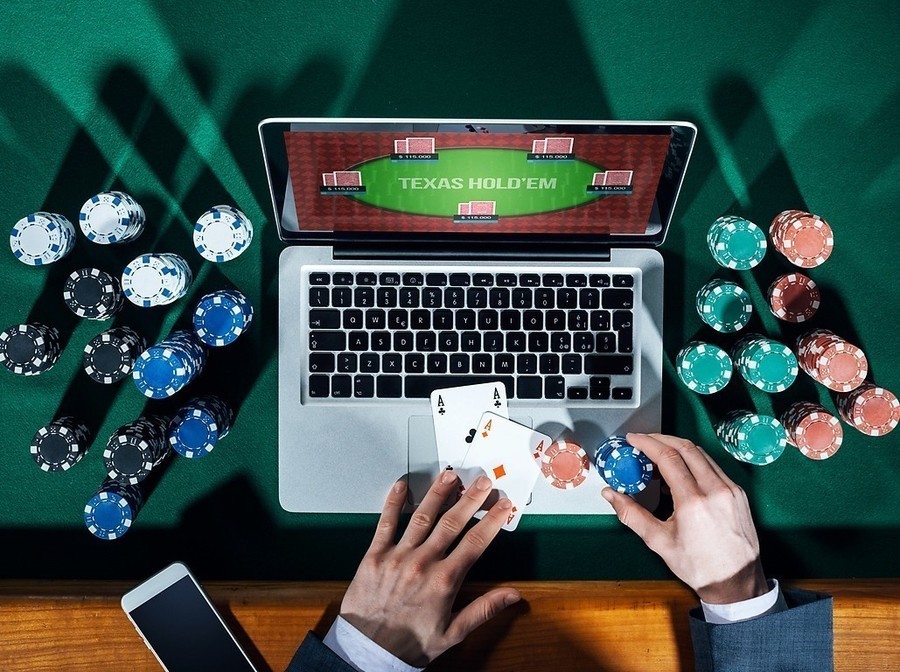
Furthermore, the framing of information can impact gambling behavior as well. How odds and probabilities are presented can significantly influence a player’s perception of risk. For instance, promotional materials that highlight big wins while minimizing the likelihood of losing can distort a gambler’s understanding of the potential outcomes. Recognizing these cognitive biases is essential for both players and those who seek to understand gambling behaviors at a deeper psychological level. By becoming aware of how cognitive biases operate, individuals can develop strategies to mitigate their effects and make more rational gambling decisions.
The Social Aspects of Gambling
Gambling behavior is often influenced by social interactions and peer dynamics. Many individuals gamble in groups or alongside friends, creating a social environment that can enhance the enjoyment and thrill of the experience. This social aspect not only promotes camaraderie but also can lead to competitive behavior, where individuals aim to outdo each other, further increasing the propensity to gamble. Casinos often capitalize on this social dimension by creating spaces that encourage group play and interaction, such as shared gaming tables or communal areas designed for social engagement.
Moreover, social validation plays a crucial role in a person’s decision to gamble. When individuals see peers winning or enjoying themselves, they may feel compelled to join in, motivated by a desire for acceptance and connection. This dynamic can create a feedback loop where wins lead to group reinforcement, and losses are dismissed as mere bad luck. The social setting often diminishes the perception of risk, making it easier for individuals to engage in behavior they might otherwise avoid alone. The group dynamic can create an environment where gambling feels like a norm, reinforcing continued participation.
Additionally, the environment of casinos is designed to enhance social interaction. With amenities like bars, restaurants, and entertainment shows, casinos provide a holistic experience that goes beyond mere gambling. This environment fosters a sense of belonging and community, making it easier for individuals to engage in gambling as part of a social outing. The integration of social activities can reinforce the notion that gambling is a socially acceptable activity, further encouraging participation. Understanding the social influences on gambling can help in addressing responsible gambling initiatives and awareness, promoting healthier practices among groups of friends and social circles.
The Impact of Emotional States
Emotional states can heavily influence gambling behavior. Individuals often gamble to escape negative feelings or to celebrate positive experiences. For instance, someone experiencing stress or anxiety may turn to gambling as a distraction, seeking solace in the thrill of the games. In contrast, those feeling euphoric may gamble more recklessly, believing that their good fortune will carry through to their gambling endeavors. This emotional connection can lead to both positive and detrimental outcomes, depending on the individual’s psychological resilience. Recognizing the interplay between emotions and gambling is essential for understanding why some individuals may develop problematic gambling habits.

Additionally, the highs and lows of gambling can have a profound impact on emotional well-being. Winning can create feelings of elation and fulfillment, while losing can lead to frustration, despair, and a tendency to chase losses. This rollercoaster of emotions can create a toxic cycle where individuals feel compelled to gamble to regain their lost highs or to alleviate their lows. Awareness of how emotions dictate gambling behavior can be instrumental in promoting healthier practices among gamblers. Those who understand their emotional triggers may be better equipped to make informed decisions and avoid impulsive gambling.
Furthermore, casinos often exploit these emotional triggers by creating environments that elicit strong feelings. For instance, music, lighting, and decor are all carefully orchestrated to create excitement and intensity. This manipulation of the ambiance can deepen emotional engagement, making it easier for individuals to lose track of time and money. Recognizing the emotional influences that enhance gambling experiences can aid in developing strategies to promote responsible gaming habits. By understanding how emotional states affect decision-making, individuals can cultivate a more mindful approach to gambling.
Exploring Responsible Gaming Strategies
Given the intricate psychological factors that influence gambling behavior, implementing responsible gaming strategies is crucial for enjoying the experience without falling into destructive habits. Understanding one’s motivations for gambling is the first step toward practicing responsible gaming. By recognizing whether gambling is being used as a form of escape, for social enjoyment, or as an avenue for excitement, individuals can make more informed decisions about their gambling choices. This self-awareness can help in setting boundaries that prevent gambling from becoming a problematic behavior.
Additionally, setting limits can be an effective strategy to combat problem gambling. Establishing a budget prior to engaging in gambling activities can help manage expectations and financial risk. Players can set time limits as well, ensuring that their gambling remains a recreational activity rather than a compulsive behavior. By adhering to these limits, individuals are more likely to maintain control over their gambling habits and reduce the chances of experiencing negative emotional consequences. Implementing these strategies requires discipline and self-awareness but can greatly enhance the gambling experience.
Moreover, education plays a pivotal role in promoting responsible gambling. Awareness campaigns that highlight the risks associated with gambling and the psychological factors at play can empower individuals to make informed choices. Resources that provide support and counseling for those struggling with gambling addiction are also essential in helping people navigate their challenges. By fostering a culture of awareness and responsibility, the gambling community can work toward creating a safer environment for all participants. This collective effort can help mitigate the risks associated with gambling and support those who may be vulnerable to its negative effects.